
sunroom glass panels
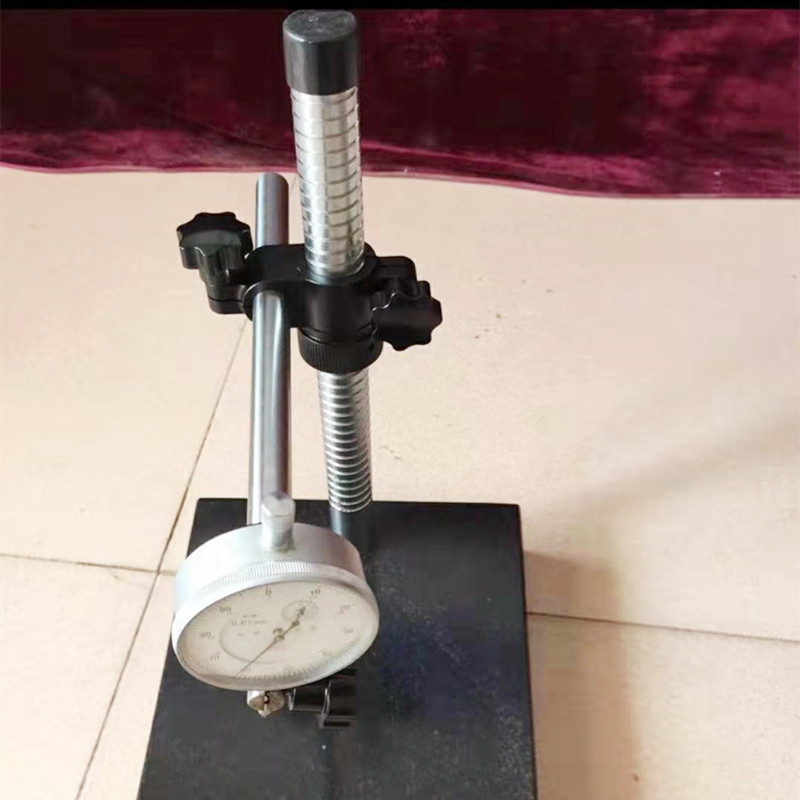
Understanding Runout Testers Ensuring Precision in Manufacturing In the world of manufacturing and engineering, precision is paramount. The intricacies of mechanical components necessitate accurate measurements to ensure that parts function correctly and efficiently. One essential tool in achieving this level of precision is the runout tester, a device used to measure the deviation of a rotating component from its true geometric axis . Runout refers to the variation between the measurable position of a component at its maximum and minimum positions as it rotates. This can lead to unwanted vibrations, wear and tear, or even catastrophic failures if left unchecked. Therefore, assessing runout is crucial in various industries, including automotive, aerospace, and machinery manufacturing. Runout testers typically consist of a dial indicator mounted on a stable base, with a spindle that contacts the rotating part. As the component rotates, the dial indicator measures and displays the maximum and minimum deviations from the true center. Runout can be classified into two main types radial runout and axial runout. Radial runout examines the perpendicular distance from the center of the component to the outer edge, while axial runout focuses on the variation in the axial direction, which is critical for applications requiring precise alignment. The process of measuring runout is relatively straightforward. First, the component is securely mounted on a spindle or fixture. Once in place, the operator spins the component, watching the dial indicator for any fluctuations in the readings. A perfectly calibrated part will show minimal variation, while a significant deviation may indicate that realignment, machining, or other corrective actions are necessary. runout tester In industrial settings, maintaining tolerance levels is essential for ensuring product quality. For instance, in the automotive industry, runout tests are vital for rotating parts such as wheels and brake discs, where excessive runout can compromise safety and performance. For rotating machinery, like turbines or pumps, excessive runout could lead to imbalances, increased wear, and energy inefficiencies. Furthermore, advancements in technology have led to the development of digital runout testers, which offer enhanced accuracy and the ability to store measurements for analysis. These modern devices often feature features such as data logging, statistical analysis, and connectivity options for integration into broader manufacturing systems. Such enhancements not only streamline the measurement process but also improve the workflow, allowing for real-time monitoring and adjustments. Despite the evolution of technology, the core principle behind runout testing remains unchanged ensuring that components are produced to the highest standards. It is a small but vital part of quality control in manufacturing processes, contributing significantly to the overall performance and reliability of products. In conclusion, runout testers are indispensable tools in precision engineering. By effectively measuring and minimizing runout, manufacturers can uphold the quality and safety of their products. Whether through traditional dial indicators or advanced digital systems, ensuring precise measurements fosters a culture of quality that permeates the entire manufacturing process, ultimately leading to greater customer satisfaction and trust in the product.
about
sunroom glass panels
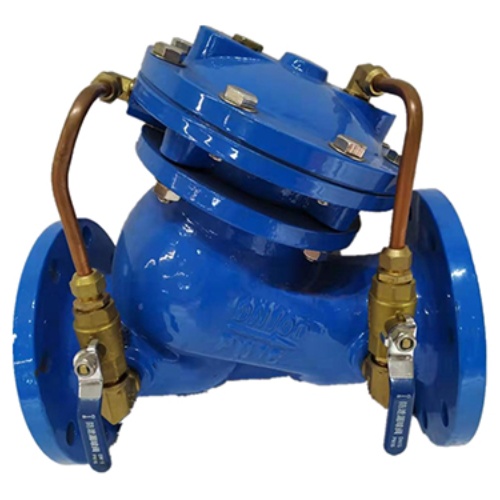
Adjusting Your Water Pressure Valve A Comprehensive Guide Maintaining proper water pressure in your home is essential for ensuring that your plumbing system functions smoothly and efficiently. One crucial component that plays a significant role in regulating water pressure is the water pressure valve. Whether you're experiencing low pressure or high pressure, adjusting the water pressure valve can help you achieve the optimal flow throughout your home. This article will guide you through the process of adjusting your water pressure valve, ensuring you have a steady and reliable water supply. Understanding the Water Pressure Valve The water pressure valve, also known as the pressure-reducing valve (PRV), is typically located where the main water line enters your home. Its primary function is to reduce and regulate the water pressure coming from the municipal supply to safer levels suitable for household plumbing. If the pressure is too high, it can cause unnecessary wear and tear on your plumbing fixtures and appliances, while low pressure can lead to inadequate water flow, making everyday tasks like showering or washing dishes inconvenient. Tools Required for Adjustment Before you begin adjusting your water pressure valve, you'll need a few tools 1. Adjustable wrench To make adjustments to the valve. 2. Pressure gauge To measure the water pressure accurately. 3. Bucket or hose To test the flow rate during adjustment procedures. Step-by-Step Adjustment Process Step 1 Measure the Current Water Pressure Begin by measuring your current water pressure with a pressure gauge. Attach the gauge to an outdoor spigot or any faucet within the home. Turn on the water and record the pressure reading. Ideally, your water pressure should be between 40 and 60 psi (pounds per square inch). If your reading is outside of this range, it’s time to adjust your valve. Step 2 Locate the Water Pressure Valve adjusting water pressure valve Locate your water pressure valve. It is generally a bell-shaped valve that has a screw on top . Ensure that you have good access to the valve as you will need to make adjustments. Step 3 Adjust the Valve Using your adjustable wrench, you can begin to adjust the valve. To increase the water pressure, turn the screw clockwise. Conversely, to decrease the water pressure, turn the screw counterclockwise. Make small adjustments, approximately one-quarter turn, then wait for a moment to allow the pressure to stabilize. Step 4 Test the Water Pressure Again After making your initial adjustments, use the pressure gauge again to measure the water pressure. Check to see if the pressure falls within the ideal range of 40 to 60 psi. If it still requires adjustment, repeat the process, making minor adjustments until the desired pressure is achieved. Step 5 Check for Leaks Once you have the water pressure adjusted to your liking, inspect the valve and surrounding pipes for any signs of leaks. If you notice any leaks, you may need to tighten the fittings or possibly replace the valve if it is damaged. Regular Maintenance Regularly check your water pressure every few months to ensure that it remains at the desired level. If you notice fluctuations, this could indicate a problem with your pressure-reducing valve or other plumbing issues. Additionally, ensure that other plumbing fixtures and appliances are in good working condition to maintain consistent water pressure. Conclusion Adjusting your water pressure valve is a straightforward task that can enhance your home’s plumbing efficiency. With the right tools and a little patience, you can maintain optimal water pressure, prolong the lifespan of your plumbing system, and enjoy a more comfortable living environment. If you encounter any difficulties or are uncertain about the process, don’t hesitate to call a professional plumber for assistance, ensuring that your adjustments are both safe and effective.
-

High quality industrial productsagement

High quality industrial products
View Details -

Meet the diverse needs of customers

Meet the diverse needs of customers
View Details -

Strict quality control

Strict quality control
View Details -

Top raw materials

Top raw materials
View Details -

Trusted supplier

Trusted supplier
View Details
Our application


news and information

Utilize brackets for wood connection
The Indispensable Role of Brackets in Wood Joinery In the realm of woodworking, brackets play an es
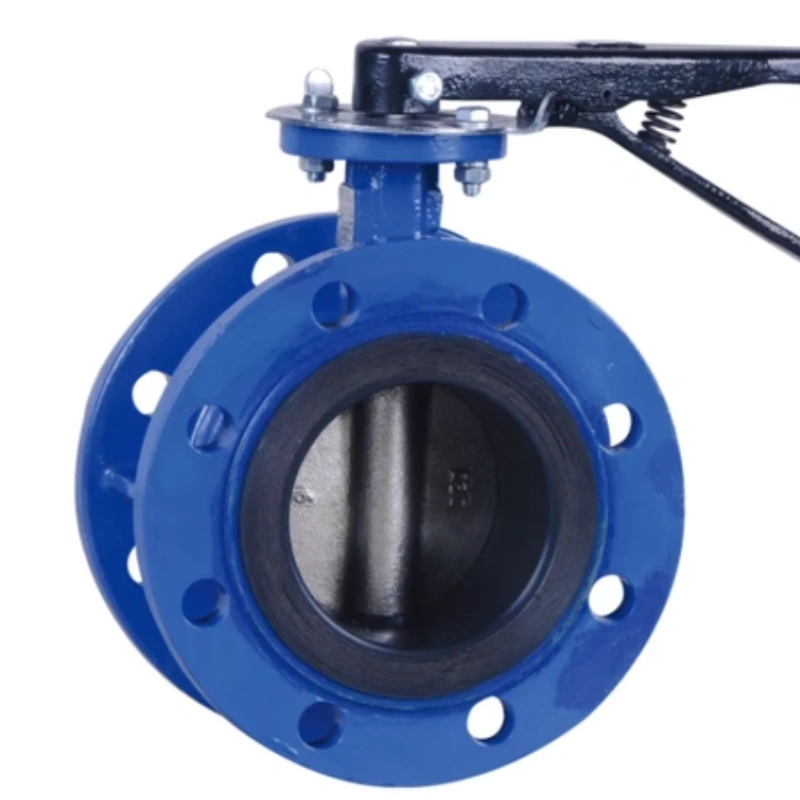
valve
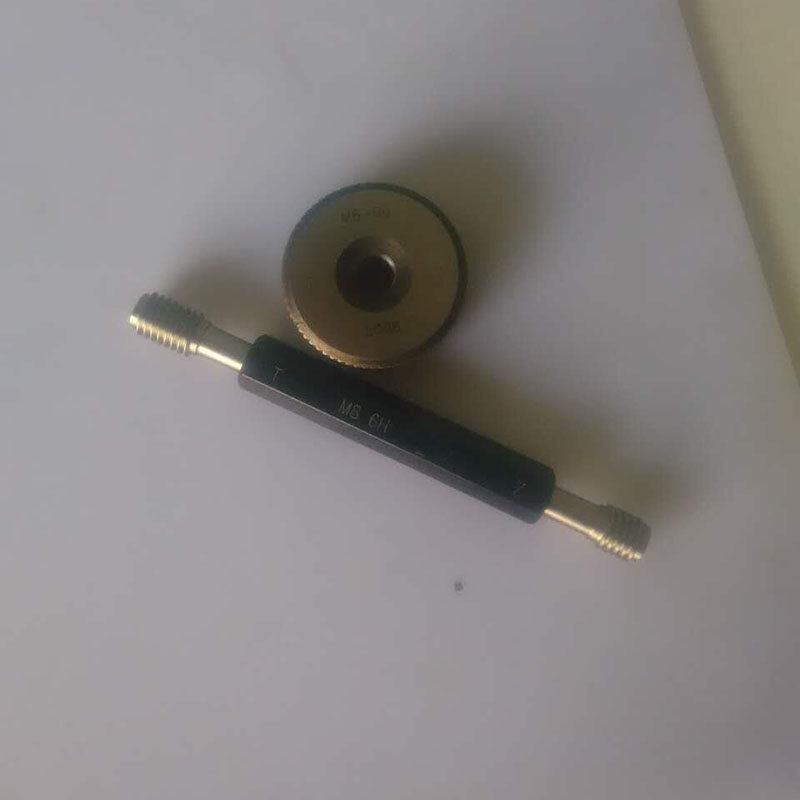
Exploring the Fascinating World of Valves Valves are integral components used in a multitude of syst
vee blocks
Understanding Vee Blocks Essential Tools in Precision Engineering In the realm of precision engineer
 English